
In immediate danger? Call 911 where available.
Connecting People. Creating Safety. Restoring Hope.
A safer way for individuals, families, shelters, and communities to connect, support one another, and build pathways toward stability.
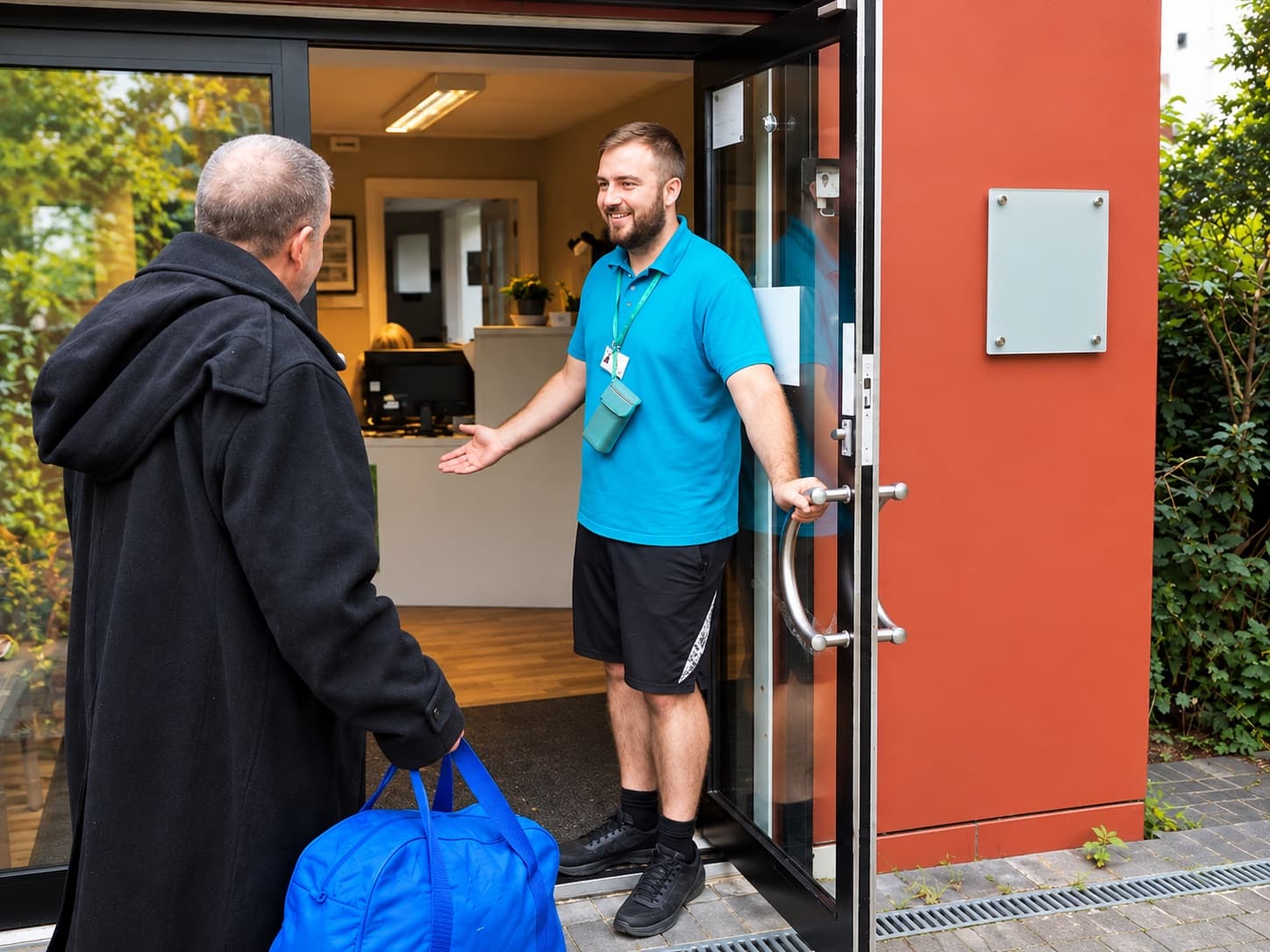
How can we help you today?
- Find a shelterSearch shelters, meals and services near you. No account needed.
- Connect With Loved OnesAsk to connect with someone. They decide whether to accept and what to share.

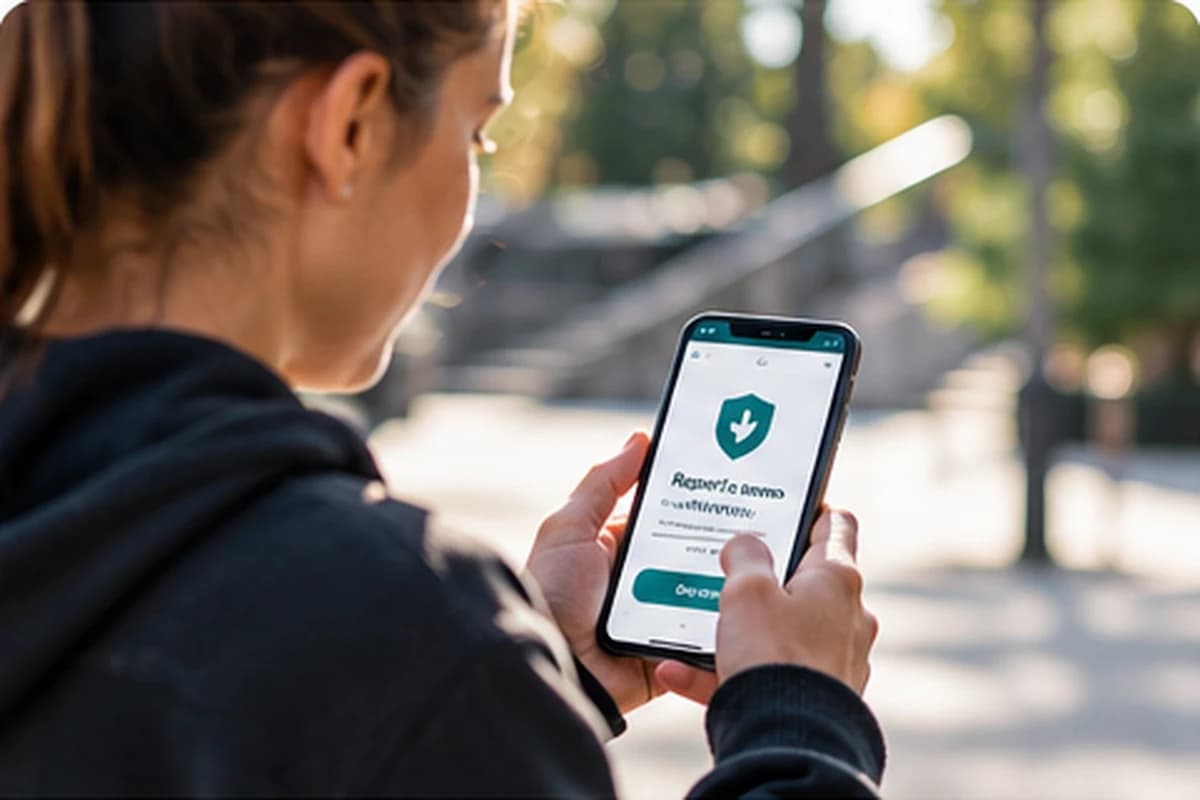
- Report a safety concernTell us about a safety problem in a shelter, anonymously if you wish.
- Support SomeonePay for a specific, approved essential, delivered as a voucher.

- Partner With Hope for All CareShelters, outreach teams, businesses and counsellors can join.

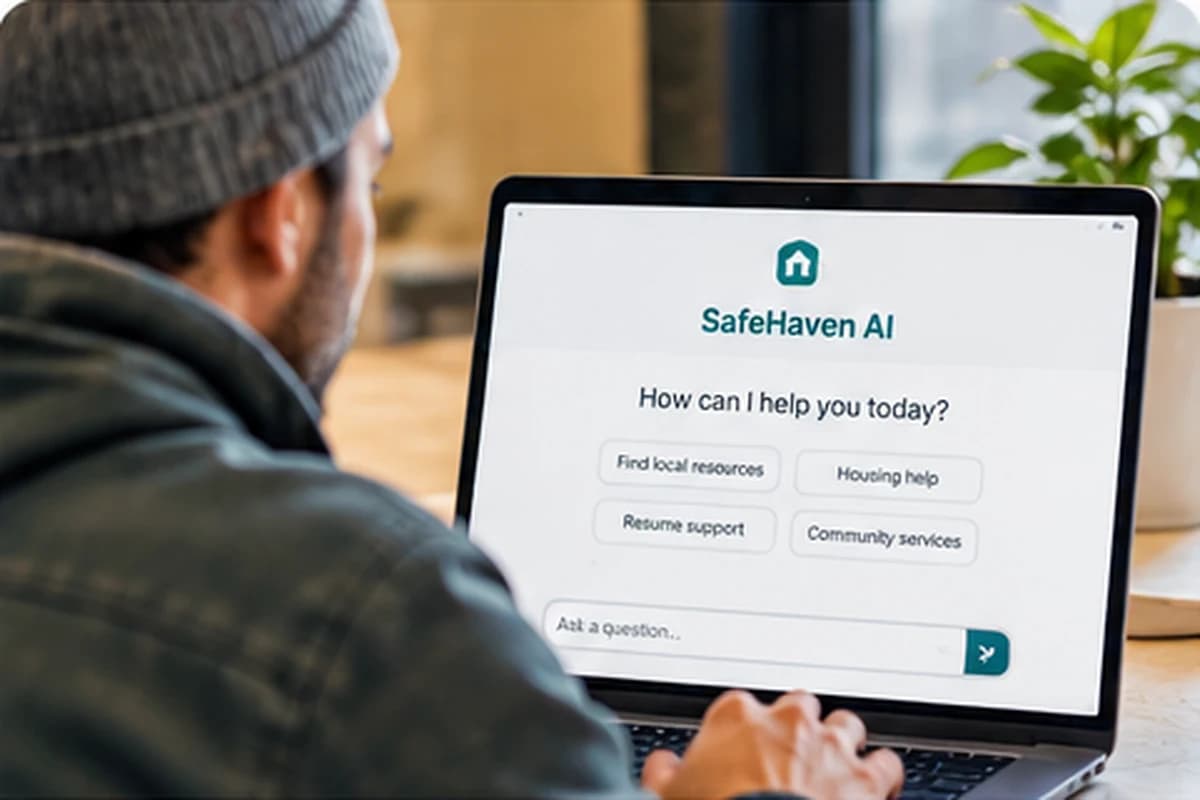
- Ask Hope for All AIGet answers from verified Hope for All Care information, in plain language.
What Hope for All Care does
One calm place to find help, stay connected and stay safe
Hope for All Care brings together people experiencing homelessness, the people who love them, shelters, and the wider community — with privacy and choice built in from the start.
Find shelters and services
Reconnect on your terms
Report safety concerns
Fund specific needs
Work toward stability
Neighbourhood support
Who it helps
Built for everyone in the circle of support
People experiencing homelessness
Families and loved ones
Shelters and outreach teams
Donors
Businesses and vendors
Counsellors and community partners
Family connections
How family connections work
Nobody is tracked. Nothing is shared unless the person chooses it.
Step 1: A loved one sends a request
They create a family account and send a connection request, or share a connection code directly.Step 2: The person decides
They can accept or ignore the request. The sender only ever sees “Awaiting response”.Step 3: They choose what to share
Each type of information is a separate switch that starts off. Any switch can be turned off later.

Separate permissions, each one optional
Messages
They can send you private messages, and you can reply.
"I'm Safe" updates
They are notified when you choose to share that you are safe.
Shelter name
They can see the name of the shelter you attach to an update.
General area
They can see the general area you choose to share (for example, "Downtown Kitchener").
Support milestones
They can see milestones you choose to share, like starting a housing application.
Live location
They can see where your phone is on a map, updated in the background, until you turn this off.
Hope for All Shield
How shelter safety reporting works
Anyone can report harassment, theft, unsafe conditions or other concerns in a shelter — with or without an account.
- Choose to report anonymously, confidentially with your account, or as a witness.
- You receive a reference and a follow-up code to check the status later.
- Reports about staff go to an independent safeguarding reviewer, not the shelter.
- Photos have location data removed — but faces and places in a photo can still identify people.
- Reports do not dispatch emergency help. In immediate danger, call 911 where available.
Anonymity has limits: details you write can sometimes identify you. We explain this before you submit, so you can decide what to include.
DirectAid
How donations work
Donations pay for specific, approved essentials — not cash to individuals.
Step 1: A need is requested and reviewed
A person asks for help with an essential item. A caseworker or outreach worker reviews it and writes a short public summary.Step 2: A donor funds it
Donors see only the category, amount, city and summary — never the person’s identity or private details.Step 3: A voucher is issued
The person receives a voucher they can use at a participating vendor for that category.
Development build: payments are sandbox only.
No real money moves. Contributions are not tax-deductible and no tax receipts are issued.
Businesses
How businesses participate

Report specific behaviour
Request outreach
Accept vouchers
Organizations
How organizations partner

- Shelters keep their listing, services and reported availability up to date.
- Staff review safety reports for their own shelters, with clear roles and permissions.
- Outreach agencies review assistance requests and respond to outreach requests.
- Counsellors can offer voluntary, non-clinical support programs.
- Organizations are verified before they can use staff tools.
Hope for All Care is in development and currently piloting with demonstration data. It is open to people and organizations anywhere in Canada.